
Although there are many changes in the world’s factory landscape, such as wage increases and tensions with the US and other countries (Canada, EU), China remains the only truly viable global solution for subcontracting technical parts.
The local supply chain is unparalleled in other developing countries, and the overall quality of its output has improved significantly, now comparable to that of Western subcontractors. China has benefited from substantial investments in high-quality technologies and equipment, as well as a genuine shift in attitude towards quality.
China is no longer the mysterious country it once was; however, doing business there is still different from doing business in Western countries. Let us share our experience with you in the form of 7 steps to follow for a successful buying experience in China.
1- Identifying a Chinese Supplier
The first step, unsurprisingly, is identifying potential suppliers. Below, you will find a list of various tools for effectively selecting a Chinese partner.
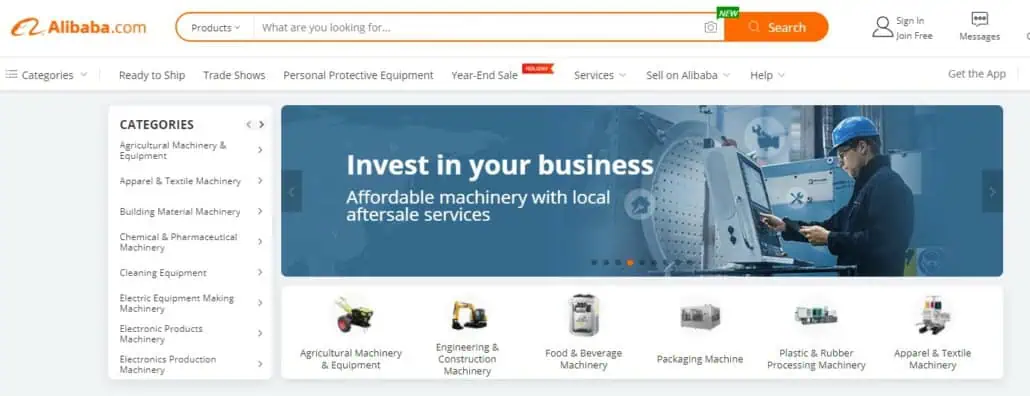
- Alibaba / Made-in-china (www.alibaba.com / www.made-in-china.com): Not always very reliable because many contacts are traders or factories carrying out most of their business in trading alongside a small part of internal production. The platform also offers suppliers a bonus for speed of response over quality of response.
- Search Engines(google.com / baidu.com / bing.com): These can be effective if you are looking for a large supplier that has invested in international visibility, but most Chinese suppliers do not have websites, or their websites are difficult to access from abroad and are rarely updated.

- Trade Shows (in China or abroad, as trade shows are always well-stocked with Chinese companies): Convenient for face-to-face discussions, however, it is difficult to identify traders from manufacturers. This solution is also very limited during a pandemic. As for virtual trade shows, their usefulness remains to be proven.
- Networking (contact your peers for recommendations): Don’t hesitate to activate your network to ask for supplier recommendations.
- Sourcing Companies: If you know exactly what type of Chinese factory you are looking for and want to save time, paid supplier search solutions can be worthwhile. Make sure these professionals understand your needs. The price range for these services is from a few hundred euros to €2,000 depending on the complexity of the task.
-
- Subcontracting Company: Outsource identification, negotiation, and production monitoring to a trusted local partner. An all-in-one solution that guarantees competitive purchase prices, a thorough understanding of your needs, and quality control. Contact AGCIS for any inquiries.
Recommendation: To ensure you are taken seriously and avoid misunderstandings, take the time to clearly define your needs before contacting a supplier: specifications, technical drawings, and quantities.
Respect for Intellectual Property in China
Many companies are rightly concerned about respect for intellectual property in China. Signing an NDA can make you feel better protected; however, suppliers sign several every day and don’t pay much attention to their contents because legal action in China for non-compliance would be very difficult.
Nevertheless, even if the legal impact is limited, the NDA has the advantage of clearly defining what you consider your property and what the supplier is authorized to do with it. In our experience, the best way to prevent copying is to ensure that no Chinese supplier has a comprehensive overview of your product’s supply chain.
Know Your Chinese Partner
For each type of manufacturing process, you will be able to identify numerous companies in China, but determining their true legitimacy is not always easy. The best way to know if a supplier’s factory is capable of producing your products is to visit it and audit their production equipment and references. If you are unavailable to conduct the audit yourself, you can hire a service company (such as AGC) to provide you with a detailed report on the supplier before you place an order.
3- Price Negotiation
一分钱一分货 (yifenqian yifenhuo –”You get what you pay for” is always the response when negotiations have gone too far. Chinese manufacturers are known for tailoring the quality of their products to the price you’re willing to pay, without being transparent about the resulting quality compromise.
That being said, there’s always room for negotiation. Try to be consistent, understand the production process, and optimize your specifications and order quantities to ensure you get the best price. Don’t hesitate to compare quotes.
If the price has been negotiated correctly in a win-win situation, the Chinese supplier generally maintains their prices unless there is a significant external impact (exchange rates, raw material prices, etc.).
4- Placing an Order with the Chinese Supplier
Send Orders to China via Email
There’s nothing particularly specific here; placing an order by email is perfectly acceptable, followed by an acknowledgment confirming the delivery time.
WeChat is widely used in China, but if you use it, we don’t recommend using it for placing orders, as it doesn’t save documents.
It is best to save a duly stamped document confirming the order on your computer. (A signature has little legal value in China; the official company stamp is always preferable.)
Payment Terms
For your first orders with a supplier, you will need to pay a deposit of approximately 30% to 50%. We advise against paying a 100% deposit upon ordering, but rather to hold the remaining balance to be paid after inspecting the products at the supplier’s site.
5- Order Tracking
If you’ve ever been to a restaurant in China, you may have noticed that servers often respond to the last order received first, rather than in the order in which orders were received. Factories in China are often organized in the same way. It’s important to make the supplier understand that your orders shouldn’t be prioritized after those of their other clients. To achieve this, regularly checking the status of your orders is crucial, and in critical cases, having one of your employees or a third-party quality controller present can help put pressure on the supplier.
6- Monitoring Quality Issues
Recommendation: Check the quality of your products before shipping them because once delivery is complete, even if the supplier is cooperative, they won’t be able to provide much support.
Quality is paramount and should always be the top priority. When buying from China, you should always keep in mind that you might receive a pallet of parts that are unusable due to quality issues. To avoid this situation, please read our list of recommendations below:
-
-
- Ask the supplier to provide samples before production runs. Yes, it costs money, but it can save you a lot of trouble later.
- Be clear about your critical specifications so that your suppliers and inspectors pay close attention to them. Don’t hesitate to send a reference sample or the parts that will be assembled into the component so that the supplier or a third party can verify the functionality of the parts.
-
Request a quality report from the supplier and regularly send a quality inspector to conduct a cross-check. After 20 years of subcontracting technical components in China, our inspectors still find many discrepancies between the suppliers’ control reports and their own inspections.
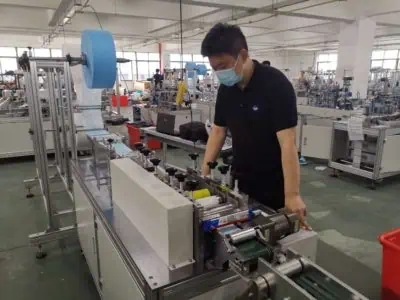
Contrôleur AGC sur site
-
-
- Perform an check upon receipt of delivery of the products at your site, not before using them, because the longer you wait, the harder it will be to resolve any potential problems.
-
7- Long term (maintain good quality)
We hear this phrase from one in two Western buyers: “With Chinese products, the first order is always good, but the quality deteriorates with subsequent orders.”
Distance from your suppliers, coupled with frequent employee turnover, makes long-term quality stability difficult. Here again, the same principles must be applied:
-
-
-
- Frequent contact with the supplier
- Clear specifications
- Quality check before shipment (or regularly if orders are very frequent).
- Inspection upon receipt
-
-
Conclusion
We observed numerous misunderstandings between Western buyers and Chinese manufacturers. Most of these stem from differing interpretations of part specifications. Buyers often use the same part definitions with their local suppliers without difficulty and believe their requests are perfectly clear and cannot be misinterpreted. Suppliers, on the other hand, may be accustomed to other specification methods and misunderstand customer expectations, even while believing they fully understand what the customer is asking for.
We strongly recommend that companies without extensive manufacturing experience in China engage an experienced local support partner. Understanding the expectations and operations of both sides will enable them to anticipate potential problems.
Feel free to contact us regarding your subcontracting needs; we can help you secure the best Chinese manufacturing for your parts.

